
Slicked Back vs Double Dutch Braids: Which Hairstyle Fits You Better
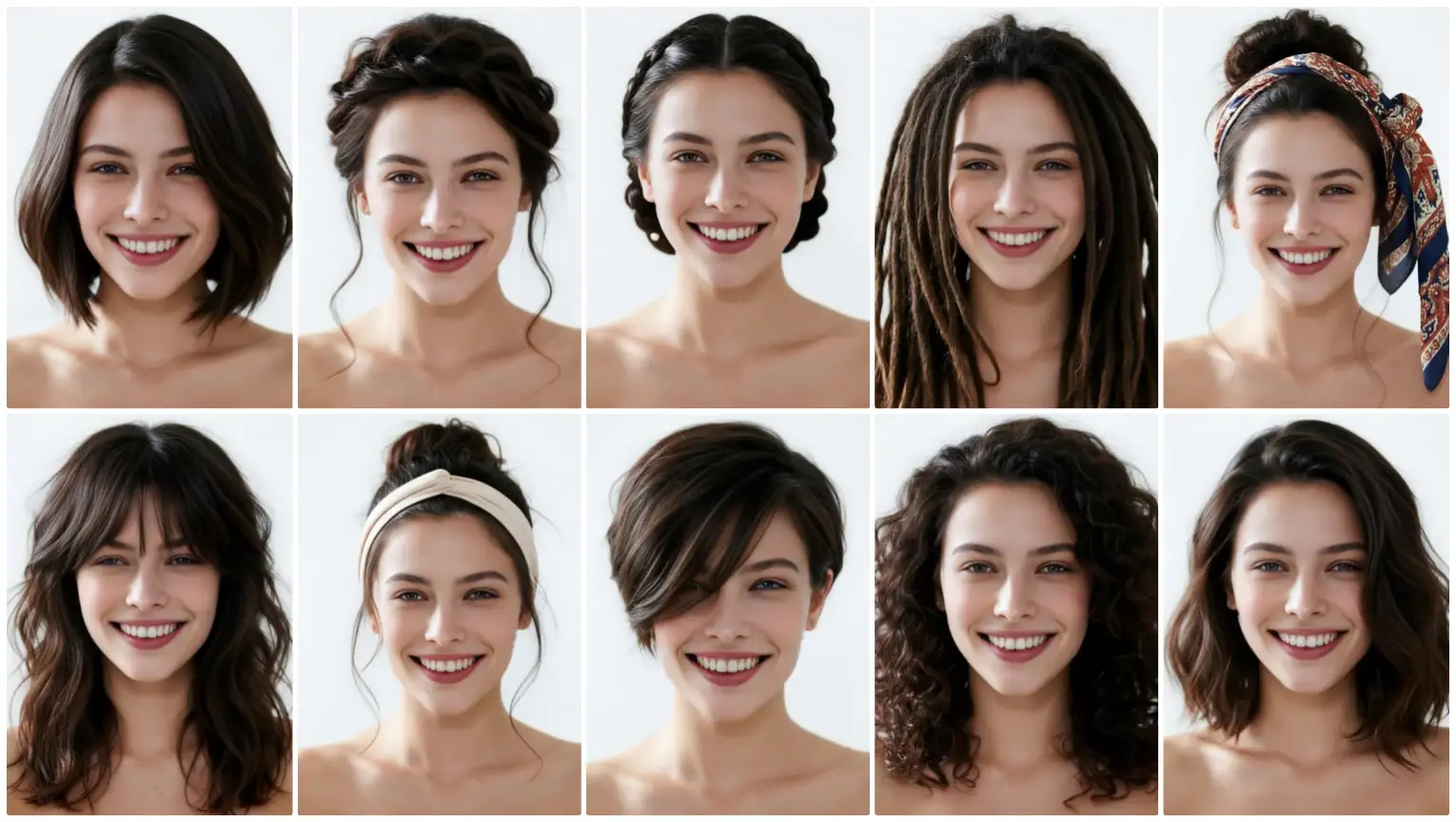
Compare slicked back and double Dutch braids, learn face shape fit, and preview both with free AI hairstyle try on before your next salon visit.
Slicked Back vs Double Dutch Braids: Which Hairstyle Fits You Better
Choosing a new hairstyle can feel risky. A sleek salon look may be beautiful, but it is hard to know whether it will suit your face, hair texture, or daily routine. Before spending money on styling, braiding, or hair color, many people now use a free AI hairstyle try on to preview the result. With aihairstyletryon.art, you can upload a photo and test different hairstyles in a realistic online hair simulator, with no app download, no registration, and no editing skills.
Two popular choices are the slicked back hairstyle and double Dutch braids. One is polished and minimal, while the other is playful, structured, and practical. This guide explains how each look works, who it may suit best, and how to try both virtually before committing.
Understanding the Slicked Back Hairstyle
A slicked back hairstyle pulls the hair away from the face toward the crown or nape. It can be sleek and wet-looking, softly brushed back, or styled with volume. Because it exposes the forehead, jawline, and neck, it creates a clean and confident silhouette. It is often chosen for formal events, professional settings, or bold fashion moments.
Why It Works
The biggest advantage is simplicity. Once the hair is brushed back and secured, the style looks polished without complicated techniques. It can work with straight, wavy, or textured hair when paired with the right product. It can also be adapted into a low bun, ponytail, or glossy red-carpet finish.
What to Consider
This style may emphasize a high forehead, strong hairline, or facial asymmetry. It can also feel tight if worn too sleek for long periods. For curly or coily hair, achieving a smooth finish may require more product or tension. Before committing, preview the look with a hairstyle simulator to see how it frames your face.

Understanding Double Dutch Braids
Double Dutch braids are two braids that start near the front of the head and continue toward the nape. Unlike French braids, Dutch braids are crossed under, creating a raised and defined effect. The result is sporty, neat, and eye-catching. This hairstyle is popular for workouts, travel, festivals, and everyday wear because it keeps hair controlled while looking stylish.
Why They Work
Double Dutch braids are versatile and long-lasting. They can be tight and sculpted, loose and bohemian, or paired with colorful hair accents. They can also serve as a protective style when done gently. For many face shapes, the braids add structure and draw attention to the eyes and cheekbones.
What to Consider
The main challenge is skill. Braiding two neat sections on yourself takes practice, especially near the back of the head. Shorter layers may slip out, and the style may need flyaway control or overnight maintenance. A virtual hairstyle try on can help you see whether braid placement and volume suit your face before you spend time styling.

Which Hairstyle Fits Your Face Shape and Lifestyle
The best choice depends on your face shape, hair texture, comfort level, and daily routine. If you want a quick, elegant look for work or events, a slicked back style may be ideal. If you prefer a secure, youthful style that can last several days, double Dutch braids may be the better option.
Oval and Heart-Shaped Faces
Oval faces can usually carry both styles well. A slicked back look highlights balanced proportions, while double Dutch braids add fun structure. Heart-shaped faces may prefer softer slicked styling or braids that are not too tight at the temples.
Round and Square Faces
Round faces may enjoy a slicked back style with height at the crown because it creates the illusion of length. Double Dutch braids also work best when they have slight fullness rather than a flat finish. Square faces can benefit from soft edges around the hairline, so pair a sleek look with gentle volume or baby hairs.
Active or Low-Maintenance Routines
If you exercise often, travel frequently, or dislike daily restyling, double Dutch braids may feel more convenient. If you want a fast, polished look for short hair or a wash-and-go routine, a slicked back style may be easier. Using a hairstyle simulator lets you compare both options side by side.
How to Try Both Hairstyles Online
Step 1: Choose a Clear Photo
Use a well-lit, front-facing photo with your face clearly visible. Avoid filters, hats, or extreme side angles so the AI hairstyle generator can adapt the style more naturally.
Step 2: Upload Your Photo
Visit aihairstyletryon.art and upload your image directly in the browser. There is no app download and no registration required, making the process simple for beginners.
Step 3: Select Each Hairstyle
Choose a sleek pulled-back option to test the slicked back look, or select a braided style to explore double Dutch braids. You can move between different styles, lengths, and textures to see what feels most like you.
Step 4: Add Virtual Hair Color
If you also want to test a shade, use the virtual hair color try on feature. See how blonde, brown, black, or a bold color changes the overall effect before visiting a salon.
Step 5: Compare the Results
Look at how each hairstyle frames your face, forehead, and jawline. Compare the sleek feel of the slicked back style with the detailed look of double Dutch braids, then save your favorite preview as a styling reference.
Why Use an AI Hairstyle Try On First
Traditional trial and error can waste time and money. You might buy products, follow long tutorials, or book a salon appointment only to dislike the final result. A free AI hairstyle try on removes much of that guesswork by showing multiple looks on your own photo in minutes. With aihairstyletryon.art, you can use a convenient hairstyle simulator, explore virtual hairstyle try on options, and test virtual hair color try on effects without registration. It is an easy way to answer the question: how to see what hairstyle suits me before making a real change.
Final Verdict
Choose a slicked back hairstyle if you want a clean, confident, and elegant look that highlights your features. Choose double Dutch braids if you want a practical, stylish, and longer-lasting hairstyle with a sporty edge. The safest way to decide is to preview both first. Use aihairstyletryon.art to test the slicked back hairstyle and double Dutch braids with a natural AI hairstyle try on, try different hair colors, and find the best match for your face shape without costly guesswork.
Comentarios
Comparte tu opinión sobre este artículo.
Debes iniciar sesión para publicar un comentario.
Iniciar sesión para comentar